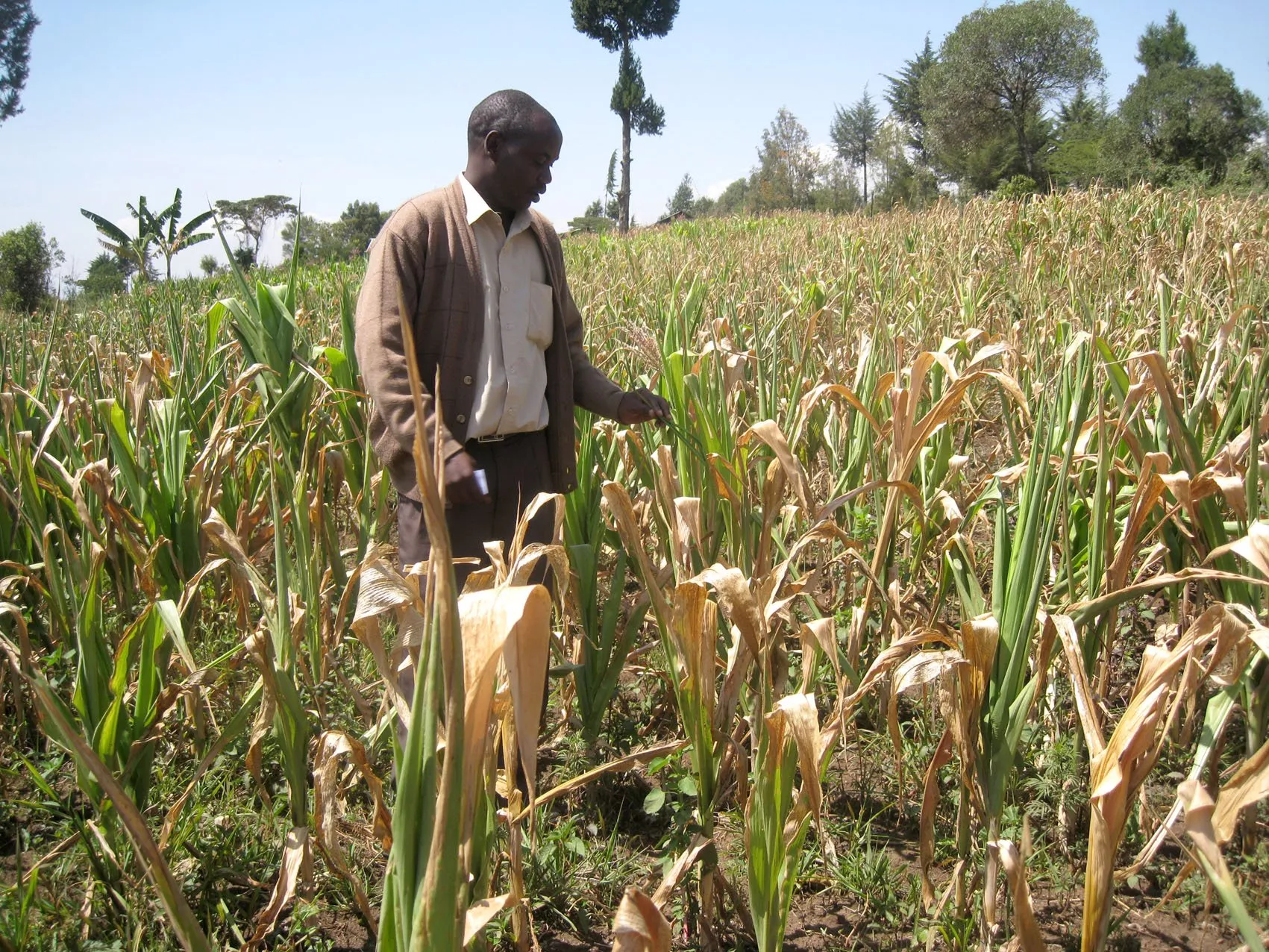
The rains are arriving, and so is the question every Lusaka household is asking: is the water safe? The answer, for now, is to act as if it is not. Zambia's cholera outbreak has reached 3,099 cases and 68 deaths, according to the Zambia National Public Health Institute's update of Monday 16 November, reported by Zambia Monitor and carried in the Lusaka Brief today — and with thunderstorms forecast in Lusaka on most days this week, the conditions that spread the disease are getting worse, not better.
The numbers tell the story of an outbreak that has not turned. The institute recorded 74 new cases and two deaths in the 24 hours to Monday, taking the cumulative total to 3,099 cases, 437 of them laboratory-confirmed, with 2,930 patients recovered and discharged and 101 still in health facilities. The outbreak has reached 27 districts in seven provinces. Lusaka district accounts for 1,959 cases, almost two-thirds of the total, followed by Chibombo on 371, Chongwe on 158 and Chilanga on 130; Mpulungu, Chiengi and Mwansabombwe in the north each have between 86 and 90, according to the same update. The outbreak was declared on 28 July 2026, and the toll has climbed steadily since: Health Minister Professor Roma Chilengi told Parliament it stood at 1,622 cases and 30 deaths on 28 October, and the figure had reached 56 deaths by 12 November and 65 by 15 November, according to the reporting of the institute's updates.
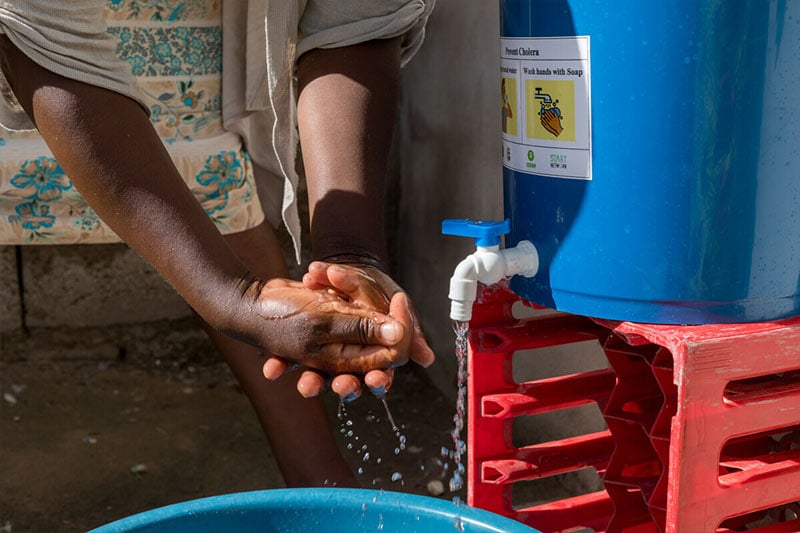
What to do about it is not complicated, and the health officials giving the advice have been consistent for months. Wash your hands with soap — after the toilet, before eating, before cooking. Drink only water that has been boiled or treated. Cook food thoroughly and eat it while it is hot. Use a clean toilet, and keep the area around your water source clean. And if anyone in the house develops watery diarrhoea or vomiting, get them to a health facility immediately — health officials warn that cholera can kill within hours if it is left untreated, according to the QNC News report of the institute's latest update.
There are two things the authorities have already done that are worth knowing about. The first is vaccination: an oral cholera vaccination campaign has reached 709,018 people aged one year and above, about 91 percent of its target, from 782,147 doses released by the International Coordinating Group, according to the same report. If you were vaccinated in that campaign, the protection is real — but it is not a reason to stop boiling water. The second is the gathering ban in Lusaka: the city council has banned public ceremonies and church gatherings of more than five people in the capital unless organisers hold written permission from the council, acting under Statutory Instrument No. 79 of 2017, and churches and other gathering places have been ordered to provide soap and clean running water and to announce cholera prevention messages to congregants. If you are organising anything in Lusaka this week, check the permission first.
There is also a longer story, and this week it took a physical step forward. Ground was broken on Tuesday on the ZAMVAX cholera vaccine plant in the Lusaka South Multi-Facility Economic Zone — Africa's first oral cholera vaccine plant, planned to make 20 million doses a year, according to the Lusaka Brief's report of the ceremony, which cites Zambia Monitor and Xinhua. President Hichilema had said in October that construction would start in November. The plant is, as the Lusaka Brief puts it, too late for the outbreak it was built to answer: the vaccine for the present outbreak came from abroad. But the next one may not have to.
The World Health Organization's representative in Zambia, Dr Clement Lasuba, has said most of the country's diseases are preventable, and that beating cholera will take work on water and sanitation across many ministries, not health alone, according to the reporting of his remarks to the Local Government ministry. He is right, and the work is slow. What you can do this week is fast, cheap and within your own hands: soap, boiled water, hot food, a clean toilet, and no delay at the first sign of sickness. The rains will keep coming — "weather" was among the most searched terms in Zambia this morning, according to the Hub Trends desk, with searches up 100 percent. Make sure the water you drink is as ready for the season as you are.