Miss Universe Zambia lost her place at the pageant this week because she could not get a United States visa. Her case is not unusual, and it is not personal: it is the direct result of a rule that has applied to Zambian nationals since 1 January 2026. If you are planning to travel to the United States — for a holiday, for study, for business, or to visit family — here is what the rule actually says, in plain language.
The rule is Presidential Proclamation 10998, signed by US President Donald Trump on 16 December 2025 and in force from 1 January 2026. It expanded US entry restrictions to 39 countries. Zambia is one of 19 countries under partial restrictions. That word, partial, matters: it is not a ban on all travel, but it closes the visa categories most ordinary travellers use.
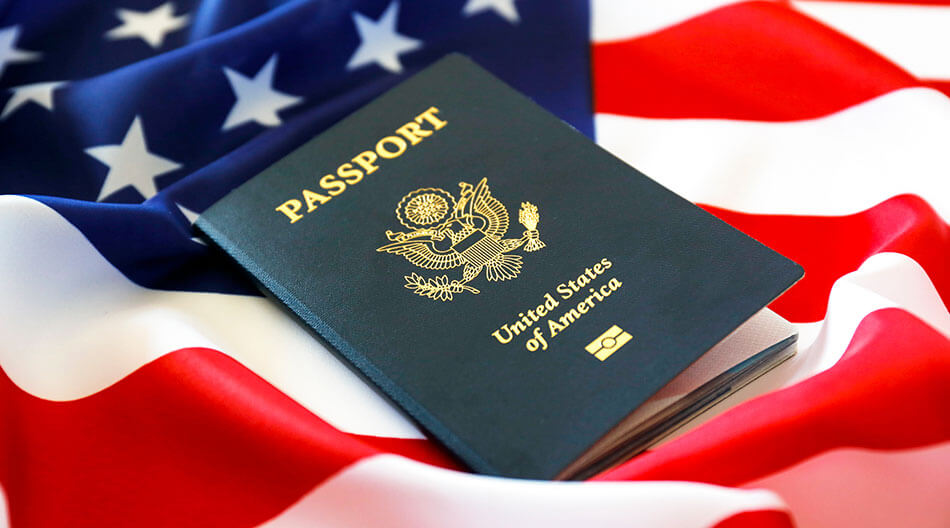
For Zambian nationals, the proclamation suspends entry as immigrants, and as non-immigrants on B-1 and B-2 visitor visas, and on F, M and J visas — the categories for students, vocational students and exchange visitors. In practice, that means a tourist or business trip, a university course, or an exchange programme cannot be made on a new visa in those categories. That is why the Miss Universe contestant could not travel: a short trip to a pageant is normally made on a B-1 or B-2 visitor visa, the very category the partial restrictions close. The Republic of Congo and South Sudan face a full suspension of entry, which is stricter still.
What is not closed is everything else. The partial suspension leaves most work visa categories available, and it does not cancel visas that were already issued before 1 January 2026. The proclamation also carries exceptions: lawful permanent residents of the United States, certain diplomatic travellers, and dual nationals travelling on a passport from a country outside the restrictions are excepted. There is also a case-by-case waiver for travel that serves a US national interest, decided individually. And there is a specific exception for athletes, coaches and support staff travelling for the World Cup, the Olympics or another major sporting event as determined by the US Secretary of State. A beauty pageant is not a sporting event, which is why the pageant contestants had no automatic route in.
So what should you do if you need to travel? First, check which visa category your trip needs, because the restrictions are category by category, not a blanket ban. Second, if you already hold a valid US visa issued before 1 January 2026, it stands — the proclamation does not revoke existing visas. Third, apply early and expect delays: the Miss Universe contestants spent weeks trying, and two of them were still waiting days before they were due to travel. Fourth, do not pay anyone who promises a way around the restrictions; the only formal routes are the exceptions and waivers in the proclamation itself, and those are decided by the US government, not by an agent. And fifth, check the current position with the US Embassy in Lusaka or on the US State Department's travel website before you book anything, because the rules have changed before — the December 2025 expansion added 21 countries at once — and they can change again.
One more thing worth knowing: Puerto Rico is a US territory, so the same visa rules apply there as on the US mainland. That is the detail that caught the pageant. Any event held in a US territory, a US state, or anywhere else under US immigration control will run into the same rule, and organisers choosing a US venue now have to check their delegate lists against the restricted countries months in advance.
This article is general information, not legal advice. If your case is complicated — a family application, a long-term study plan, a medical trip — speak to a qualified immigration lawyer or to the US Embassy before you spend money on flights or applications.