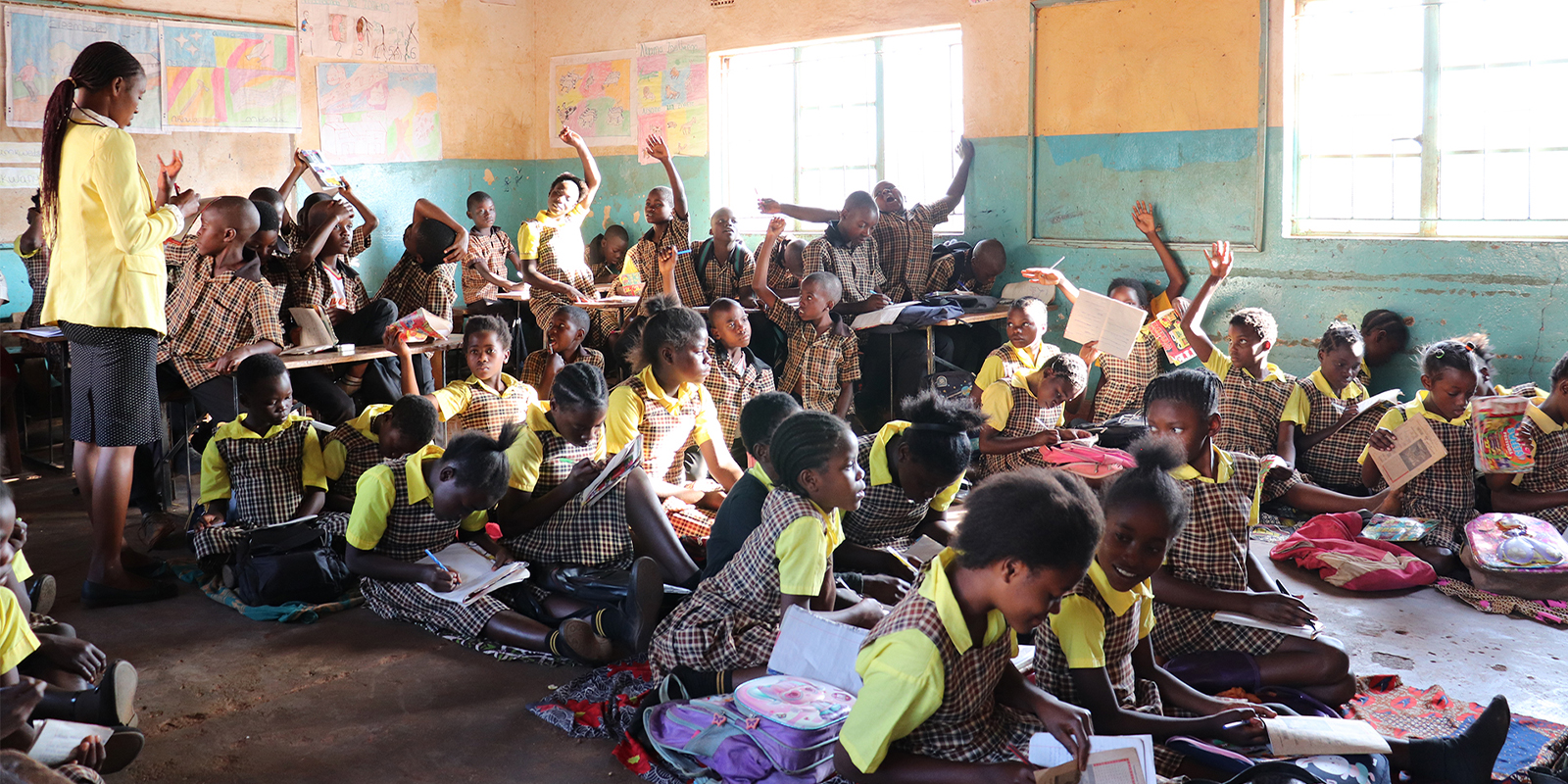
President Hakainde Hichilema has ordered the immediate redistribution of public workers from urban to rural areas, targeting excess teachers, nurses under the Ministry of Health and agricultural extension officers, according to the Lusaka Times' report today, summarised by the news service Wansom this morning. Public service workers who do not return to their original stations risk being removed from the government payroll. The aim, the report says, is to fix staffing shortages in rural schools and other essential services.
The order lands on top of a row that started on the Copperbelt this week. Copperbelt Province Minister Emmanuel Kasambo has ordered 1,558 teachers in Kitwe and Ndola to move to rural schools, saying they are drawing salaries in town while rural children have no one to teach them. Kitwe accounts for 1,247 of them — 699 in primary schools and 548 in secondary schools — and Ndola for 311, with 159 in primary and 152 in secondary, according to the minister's own breakdown, reported by the Zambian Observer, Zambia 24 and the Zambian Eye. Mr Kasambo said the Ndola figures would be revisited.
The minister's complaint is not only about numbers. He told reporters that some teachers practise what he called the "ichilimba" system, in which four or five teachers share one class, agreeing among themselves that one teaches for a week while the others rest for three, according to Breaking News Zambia. He also warned district education board secretaries against facilitating irregular transfers from rural schools to urban schools, saying the transfers go against a Cabinet decision requiring a teacher to serve for four years before being considered for a transfer. Teachers who refuse to be transferred, he said, will be fired.
The government says it has already hired on a scale that makes the shuffle possible. Mr Kasambo said President Hichilema deployed over 40,000 teachers in five years, according to Breaking News Zambia. And there will be no new hiring to paper over the gaps: Finance and National Planning Minister Situmbeko Musokotwane has said the government has no plan to recruit teachers in 2027, telling ZNBC's Sunday Interview that recruitment will depend on resolving staffing imbalances and establishing where the real shortages are, according to the Times of Zambia.
But the order has drawn a sharp answer from those who say the problem is not the teachers. Calls are growing for the government to address poor living conditions in rural schools and hold education officials accountable before redistributing teachers, Muvi TV reported on 10 November. Former Lufwanyama East parliamentary aspirant Kalesha said the government must first provide decent accommodation and essential services in rural areas, revealing that some teachers working in Lufwanyama commute daily from Mufulira, Kitwe, Chingola and Kalulushi because there is inadequate housing near their schools. Dr Samuel Mbumba, executive director of the organisation MORETA Zambia, called for an audit of teacher transfers, arguing that senior education officials who approved irregular movements should be investigated and disciplined, and alleging that some transfers were approved through corruption and personal connections.
For parents, the question is practical. A rural classroom with a teacher is better than one without — but a teacher posted to a school with no house, no water and no transport may not stay. The President's order is clear about the direction of travel. Whether it works will depend on what the government builds around it: houses, an honest audit of who approved the irregular transfers, and a staffing count that tells the truth about where the gaps really are.