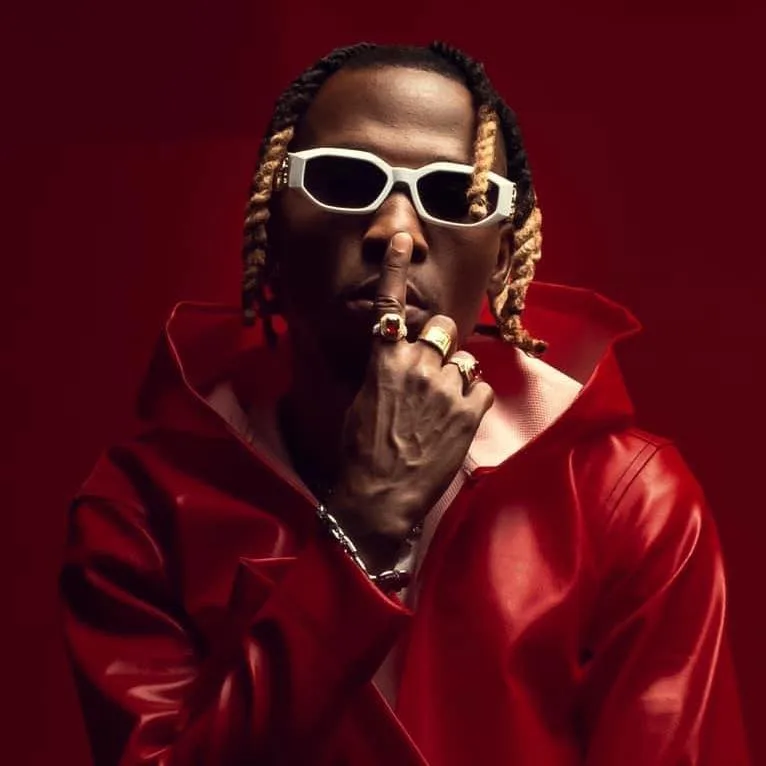
The State has asked the Lusaka High Court to strike out video evidence of a shooting at the home of Makebi Zulu, further delaying the constitutional bail hearing of opposition leader Brian Mundubile, Zulu and 16 others.
Defence lawyer Sakwiba Sikota told the court on Wednesday 11 November that the Director of Public Prosecutions, Gilbert Phiri, had raised the objection shortly before the hearing began, Zambia 24 reported. The State wants paragraphs in the applicants' affidavit in reply that refer to the video — stored on a flash disk and handed to the court by Zulu — struck from the record.
"They are very uncomfortable with that. So they want it struck out," Sikota said, according to The Zambian Observer.
The footage shows a raid at Zulu's residence, during which a shooting took place. Mundubile himself narrated a shooting incident at his own residence in his affidavit, while Zulu submitted the flash disk containing the footage of the shootout at his home, The Zambian Observer reported.
The objection is the latest in a string of preliminary issues that have kept the court from hearing the substance of the case: whether the eighteen, who have been in custody since 14 August on alleged treason, sedition and terrorism-related offences, should be released on bail while they await trial.
The hearing, listed to start at 09:00 on Wednesday, never got that far. First the Attorney General, Mulilo Kabesha, asked for a delay, citing another court matter. Then the DPP raised the fresh objection over the video, Zambia 24 reported.
It came a day after the court cleared an earlier hurdle. On Tuesday 10 November, a panel of three judges — Justices Derrick Mulenga, Davies Chibwili and Ireen Wishimanga — dismissed the State's objection to the way the application had been filed, Zambia Monitor reported. The State had argued that the application was brought the wrong way, as a civil petition instead of through the criminal registry, and that the court therefore had no jurisdiction. The judges ruled that the application is properly before the court.
The eighteen have sued the Attorney General and the DPP, arguing that their continued detention violates their constitutional rights. Treason is ordinarily a non-bailable offence under Zambian law, which is why they are asking the court for what is known as constitutional bail — release on the basis that keeping them locked up breaches the Constitution, the supreme law.
In opposing bail, the State has argued that the applicants are a flight risk, having allegedly evaded arrest before their eventual apprehension, including a period spent seeking shelter at United Nations premises, The Zambian Observer reported. The video evidence was submitted in response to that argument.
No new hearing date had been reported by the evening of 11 November, and nothing in the reports so far says whether bail will be granted or refused. The constitutional bail hearing can only begin once the preliminary issues are resolved, Sikota told the court.
This constitutional bail case is separate from the sedition case against Mundubile and Zulu, which was adjourned to Monday 16 November.