Zimbabwe's President Emmerson Mnangagwa has sent a gift to the people of Zambia: ten Village Business Units, carried to Lusaka by his Presidential Investment and Empowerment Advisor, Dr Tempter Paul Tungwarara.
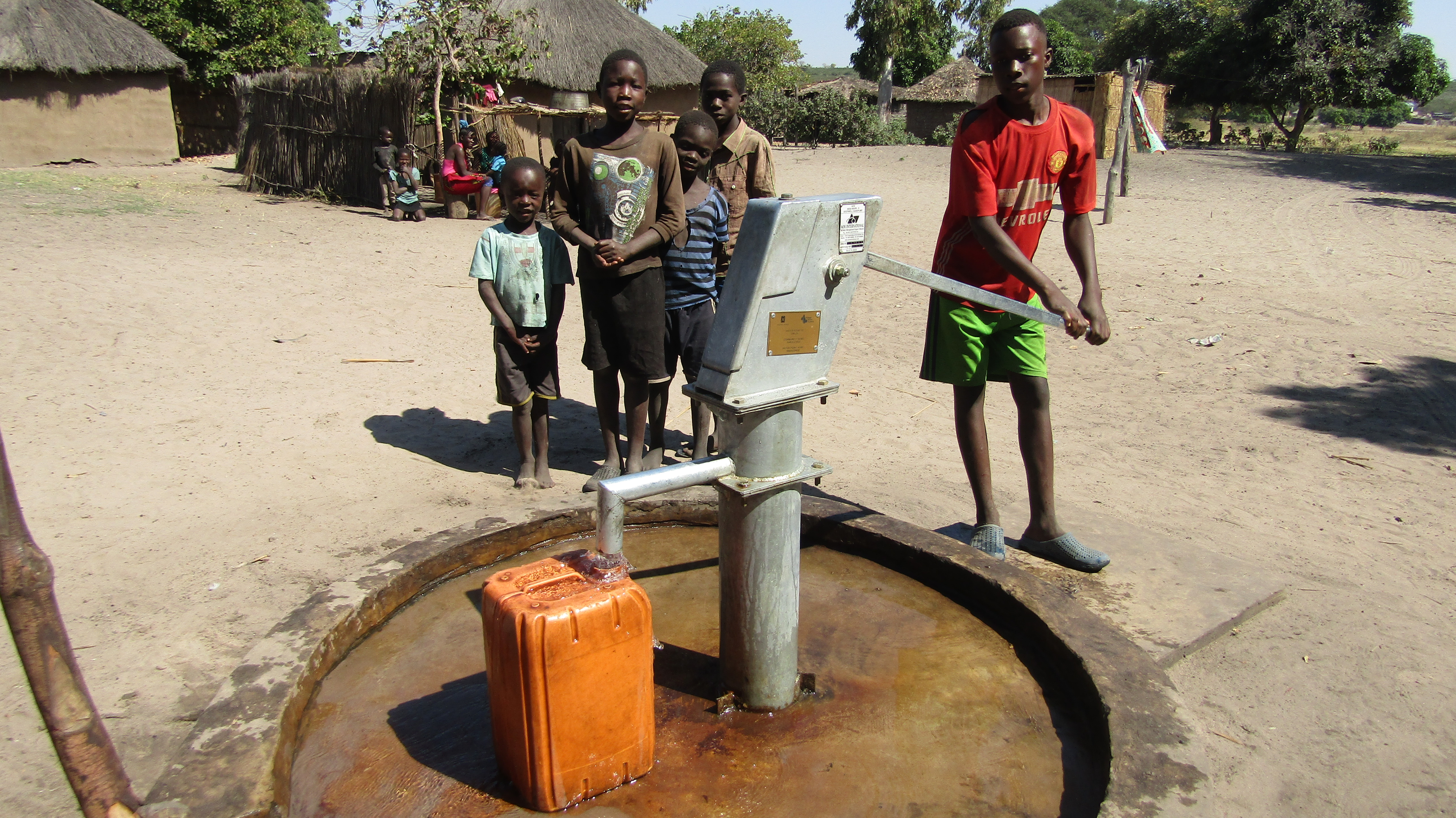
Each unit gives a village a drilled borehole for reliable water, a one-hectare garden fitted with drip irrigation, and a community-owned business where villagers farm together and share what the land earns, The Zambian Observer reported today.
President Hakainde Hichilema will choose the villages that benefit, in consultation with the relevant Zambian authorities, according to the report.
The units come from Zimbabwe's Village Business Unit programme, a flagship rural development and agricultural policy launched by President Mnangagwa. Under the country's Presidential Borehole Drilling Programme, each unit is equipped with a solar-powered borehole, water storage tanks and drip irrigation systems.
The model has been running in Zimbabwe since 2022 under the Presidential Borehole Drilling Scheme, bringing water, food and income to rural families, The Zambian Observer reported. Zimbabwe's technical team, which built the programme at home, stands ready to start work in Zambia.
Dr Tungwarara said the visit goes both ways. He has come to share what Zimbabwe has learned in its villages — and to learn from Zambia, whose farmers delivered an exceptional harvest in 2025.
"Zambia and Zimbabwe drink from the same Zambezi. When a village in Zambia has water and a working garden, Zimbabwe celebrates too. President Mnangagwa asked me to bring this gift as a brother, and to say that we stand fully behind President Hichilema's leadership and his Grow Zambia Agenda," Dr Tungwarara said, according to The Zambian Observer.
The gift also carries regional weight. President Mnangagwa chairs COMESA, whose Secretariat is based here in Lusaka, and has made practical village development a priority across the bloc.
The idea is simple enough to explain in one sentence: water first, then food, then income. A solar borehole means a village is no longer waiting on the rains or walking kilometres for water. A one-hectare drip-irrigated garden means crops through the dry season. And a business owned by the community means the money from the harvest stays where it was grown.
What is not yet known is which villages will get the ten units, or when drilling starts. That decision sits with President Hichilema and the Zambian authorities, and the test of the gift will be in the choosing: whether the units reach the villages where water is scarcest, rather than the ones closest to power.