Zambia's cholera outbreak has not ended. As the rainy season sets in, the precautions that stop the disease matter more than ever — and the latest official figures show why.
Zambia had recorded 1,622 cholera cases since 28 July 2026, with 228 laboratory-confirmed cases and 30 deaths as at 28 October, Minister of Health Professor Roma Chilengi told Parliament in a ministerial statement, Muvi TV reported on 29 October. Of the cumulative cases, 1,488 patients had recovered and been discharged, while 104 remained admitted. In the latest 24-hour reporting period at that time, 74 new cases had been reported across 12 districts, with no new deaths recorded.
The outbreak had affected 20 districts in six provinces, Zambia Monitor reported. Lusaka Province recorded the highest number of cases at 1,090, followed by Central Province with 298, Luapula with 133, Northern with 88, Southern with 11 and Copperbelt with two.
The Government has convened a whole-of-government response through the National Epidemic Preparedness, Prevention, Control and Management Committee to strengthen coordination across ministries, Professor Chilengi told Parliament. The Ministry of Finance and National Planning has released K13 million to the ministry responsible for water development and sanitation to support the emergency supply of safe water, Muvi TV reported.
On vaccination, Professor Chilengi said the International Coordinating Group had approved 782,147 doses of oral cholera vaccine, of which 709,018 eligible people aged one year and above had been vaccinated — 91 percent coverage, according to Muvi TV's report of the statement.
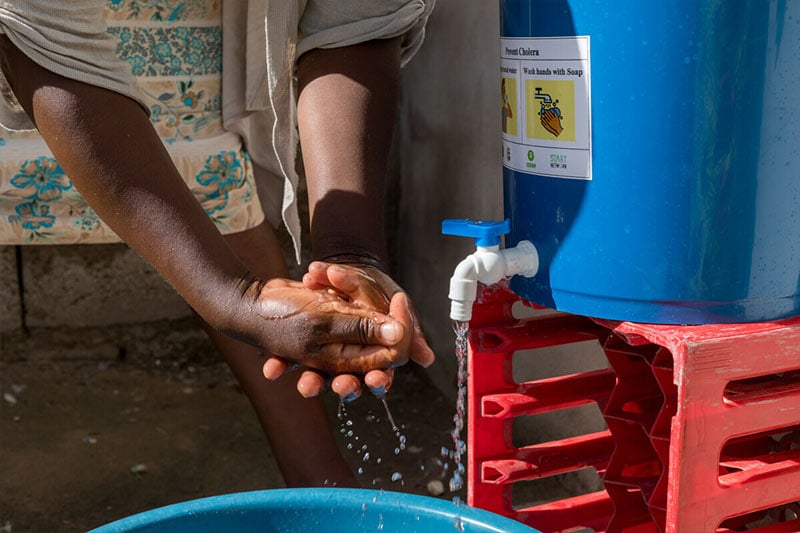
What every household should do. The Minister's own prevention messages, reported by Muvi TV and Zambia Monitor, are the starting point — and they cost little or nothing: Drink safe water. Use water from a safe source. Where its safety is uncertain, boil it or treat it before drinking. Wash hands with soap. After using the toilet, before eating and before preparing food. Soap and clean water are the cheapest protection there is. Use proper sanitation. Use a toilet or latrine, and avoid open defecation, which spreads the germs that cause cholera. Keep food clean. Observe food hygiene — wash fruit and vegetables with safe water, keep food covered, and eat it while it is fresh. Act fast if someone falls sick. Sudden watery diarrhoea is the warning sign. Start rehydration immediately and get the person to a health facility without delay. Professor Chilengi told Parliament that recognising symptoms early, starting rehydration at once and accessing treatment without delay saves lives, Zambia Monitor reported.
Why the rains change the risk. Cholera spreads mainly through contaminated food and water. When heavy rain falls, floodwater can carry contamination into shallow wells, boreholes and other water sources that families rely on — which is why the same precautions deserve extra attention now, even in areas that have not reported cases. The vaccine campaign has protected most of the targeted population in the worst-hit areas, but vaccination is one layer of protection, not a replacement for safe water and hygiene.
These figures are the latest the Health Minister has given Parliament, from 28 October. If the numbers have moved since then, the next ministerial update will say so. Until then, the advice has not changed: safe water, soap, sanitation, and speed when someone falls ill.