"Fraud" was one of the most-searched terms in Zambia this week, according to Google Trends figures recorded in the Publisher Hub's Trends desk. It is not hard to see why. In the last few days alone, official warnings and police reports have described scams targeting motorists, farmers and anyone with a phone and a mobile-money account. Here is what is actually happening — and how to protect yourself.
The fake traffic fine. The Road Transport and Safety Agency, RTSA, has cautioned motorists against fraudulent traffic offence notices and payment links circulating in its name, the newsletter Africa Brief reported on 5 November. The messages falsely claim that recipients have committed traffic offences and direct them to links where they are asked to pay fines using bank cards. RTSA head of public relations Chilufya Mwelwa warned that the links could be designed to obtain banking details and other sensitive personal information from unsuspecting motorists, Africa Brief reported. She said genuine notifications about traffic fines should contain the ticket number and the vehicle's registration number, and advised motorists to confirm any alleged offence through RTSA's official communication channels before making any payment. For online payments, she advised motorists to use the Government Service Bus or Zamportal, and warned against entering bank card numbers, PINs, passwords or one-time passwords on unverified websites. The rule is simple: a real fine can wait while you check it. A scam cannot afford to let you check — which is why the message always demands that you pay now.
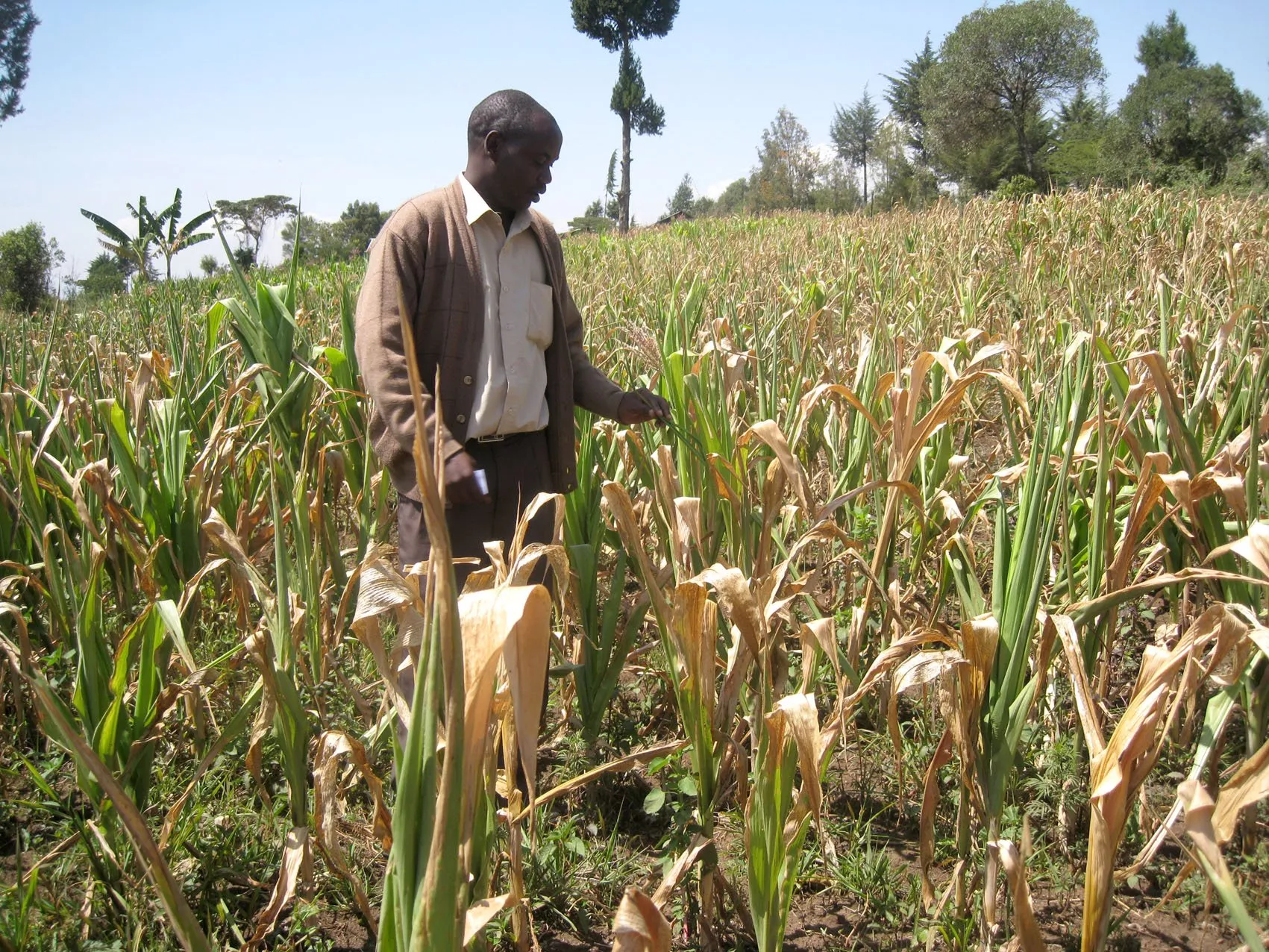
The poultry scheme that took K148,000. Thirty-six farmers in Kazungula District in Southern Province have allegedly lost a combined K148,000 in a suspected poultry supply scam, Zambia 24 reported on 10 November. Southern Province Police Commanding Officer Commissioner Moono Namalongo said a case of obtaining money by false pretences has been opened. The suspect, identified as Samson Mweene, allegedly visited Kabuyu Village in Chief Musokotwane on 9 October, accompanied by two other men, claiming to represent a Lusaka-based poultry company. He allegedly remained behind and collected K148,000 from the 36 farmers the following day, claiming the money would be used to procure broiler chicks. Police say the suspect issued receipts before leaving the village but has since become unreachable, with his mobile phones reportedly switched off. Investigations are under way, with no arrest or recovery made so far, Zambia 24 reported. The receipts looked official. They were not worth the paper they were printed on. Before handing over money for any supply scheme, check the company itself — its offices, its registration, its track record — not just the man standing in front of you with a receipt book.
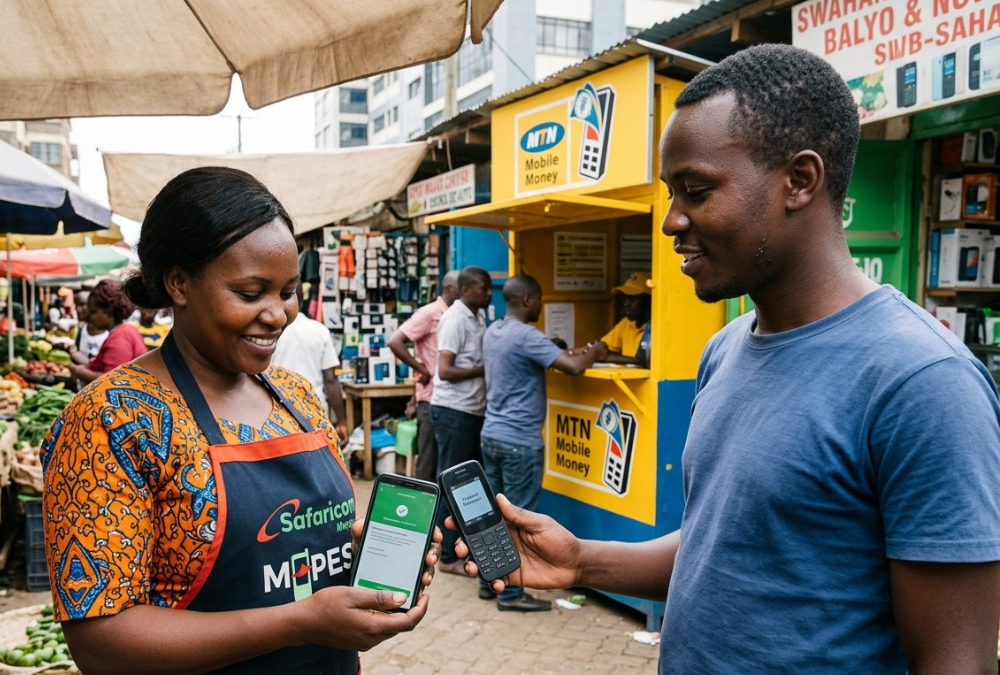
The mobile-money cons. Mobile-money fraud remains the most common complaint, and the advice from the agencies and consumer guides is consistent. Never share your mobile-money PIN or one-time verification code with someone who calls or messages you, even if they claim to be a customer service agent or say they are helping you reverse a transaction. Be careful with links sent by text or messaging apps that claim you have won a prize, qualified for a reward or must update your account — they can lead to fake websites designed to collect your personal information. Verify promotions through the company's official channels, and never pay money to claim a prize.
What to do if you are targeted. First, stop. Do not click, do not pay, do not share a code. Second, verify through an official channel you find yourself — the agency's published number, its office, or its official website — never a number or link inside the suspicious message. Third, if you suspect fraud, contact your provider immediately through official channels, keep the transaction messages and reference numbers, and report the matter to the police.
Scammers rely on urgency, authority and trust. A message that threatens immediate penalties, claims to come from a government agency, or offers money you did not expect is exactly the message to slow down for. The few minutes it takes to check are worth far more than the money a rushed click can cost.